
The Centre and state governments are struggling to restart at least some industrial activity as it becomes apparent that the 21-day nationwide lockdown imposed to check the spread of coronavirus disease (Covid-19) could be extended beyond April 14, and stocks of essential commodities need replenishing across the country. State governments, particularly those like Delhi that witnessed an exodus of migrant workers after the lockdown was announced, say there are not enough labourers in the city to work in factories and warehouses.

Up to 95 per cent of units in the Noida-Greater Noida mega industrial zone are currently shut.

Even as the industrial cycle has ground to a halt during the 21-day lockdown, the industry has been hit hard by foreign orders from major clients in the US and Europe being cancelled. Also, a sudden lack of labour has crippled the sector because of a mass exodus of workers from industrial units to the hinterland.

Many feel that the money from their MPLADS should go directly to a district hospital in their respective constituencies rather than a central fund like PM CARES. Archis Mohan reports.

'Most of the measures the finance minister announced will take effect after the lockdown.' 'By that time, millions of people will be starving.'

Bureaucratic insensitivity gave way to compassion with the state administration, police and passersby joining forces to help the stream of Indians fleeing Delhi.

The Customs clearance required for moving equipment like laptops, desktops, etc out of SEZ units was delaying things as the clearance had to be taken in person after a first level of approval online.
Business leaders, among others, ask govt to let go of fiscal target, seek stimulus, and direct cash transfer.

Across Yes Bank branches, the busiest people were the relationship managers, trying to soothe nerves. Many were seen advising clients the situation was only temporary and that their money was safe.

Under the Vivad se Vishwas scheme, the MNCs will have to bring in disputed amount to India, else, the entire money will be considered as loan from subsidiaries on which interest will have to be paid.

CAIT has attributed its displeasure to the economic downturn, and indifferent attitude of ministers/officials towards domestic trade.

The mop-up could have been much higher, but tax on imports fell 2 per cent y-o-y.

The issue is set to be discussed early next week as the commerce department meets with industry bodies to discuss the widening supply gap for key imports.

While 100 per cent FDI is allowed in single-brand retail, if the foreign investment exceeds 51 per cent, the 30 per cent mandatory local sourcing norm kicks in.

Trump had said a comprehensive trade agreement with India would take much longer to finalise than earlier expected.

While many are getting stranded because of lack of clarity regarding the visa rules following the novel coronavirus outbreak, others are stranded in transit as even OCI cardholders are being turned away

Covering 37 different legislations such as the Partnership Act of 1932, Insolvency and Bankruptcy Code, and laws on environmental protection, consumer protection and labour interests, the recommendations have been shared with Prime Minister Narendra Modi and Finance Minister Nirmala Sitharaman.

The panel may include or seek inputs from former RBI Governor Urjit Patel, former chief economic advisor Arvind Subramanian, Sajjid Chinoy of the PM-EAC, Rathin Roy, among others.

A string of measures includes specific provisions in rules governing anti-dumping, safeguards, and basic Customs duties.
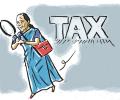
The ministry said it was an anti-abuse provision amid growing instances of NRIs shifting their stay in low or no-tax jurisdiction to avoid tax payment in India.
 © 2026 Rediff.com - Investor Information - Advertise with us - Disclaimer - Privacy Policy - Sitemap - Feedback - About us - Terms of use - Grievances